Legacy System Modernization & Integration Services
Legacy Systems Are Infrastructure. Treat Them Like It.
We Extend, Connect, and Stabilize — Not Blow It Up.
Most legacy systems didn’t get old because they were bad. They got old because they worked. The business grew around them, and the technology stayed put while everything else changed.
We’ve spent 15+ years modernizing and integrating the kinds of systems that can’t afford downtime — membership platforms, custom business applications, CMS installations running decades of content, and operational tools with years of institutional logic baked in.
Our job is to understand what a system does before touching it, preserve the business logic buried in years of code, and build a migration path that doesn’t require a weekend of downtime and a week of cleanup.

Signs Your System Needs Attention
 Developers avoid touching it because the risk of breaking something is too high
You’re running integration workarounds instead of real connections between systems
Reporting requires manual exports, spreadsheet merges, and tribal knowledge
A vendor sunset, compliance deadline, or AI initiative is forcing your hand
You want modern features, but the underlying architecture can’t support them
Our proven methodology in AI Software Development sets us apart in the industry.
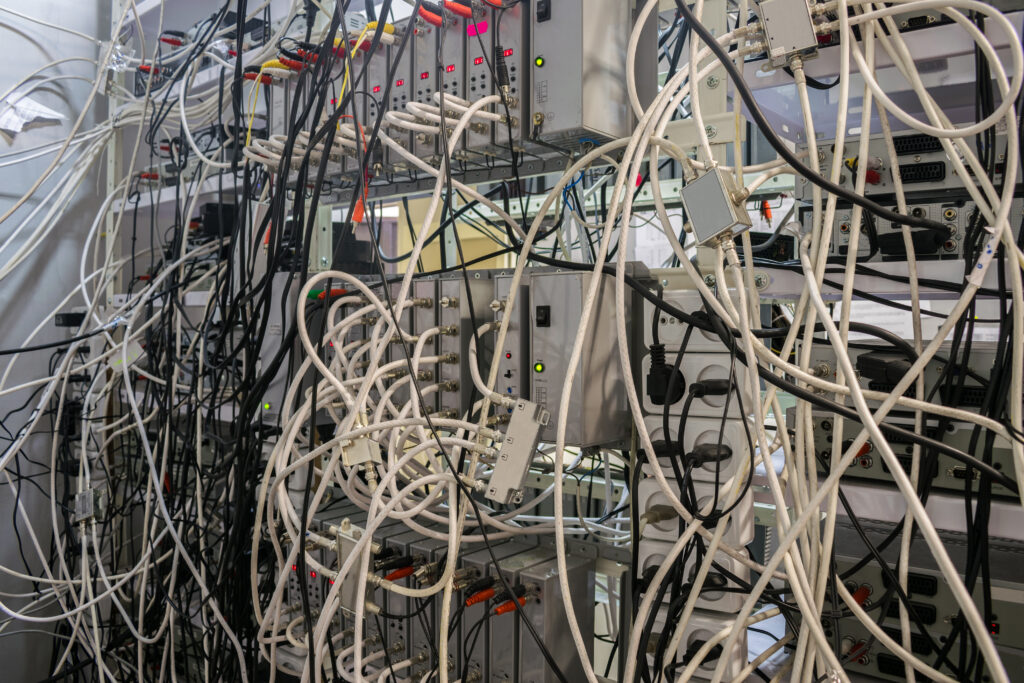
If any of these sound familiar, you’re not behind — you’re at the decision point. The question is whether to address it on your timeline or someone else’s.
Legacy System Integration Solutions
Proven methods to update and connect your critical systems
Application Modernization
We update aging codebases, re-platform on modern frameworks, and upgrade CMS installations — including DotNetNuke/DNN — to current versions while preserving years of business logic and content.
Performance Optimization – eliminate bottlenecks, improve response times
Security Hardening – patch vulnerabilities, implement current protocols
Platform Upgrades including DotNetNuke, older .NET platforms, and legacy CMS installations
Re-platforming – move to modern frameworks when the platform can’t get you where you need to go
System Integrations
We connect legacy systems to the modern tools your team depends on — via clean API and middleware architecture that doesn’t require replacing everything upstream.
API Design & Middleware – connect to Salesforce, HubSpot, AMS platforms, ERPs
Database Modernization – migrate, clean, and prepare data for modern use
AI Enablement – unlock legacy data so AI features can be added reliably
Integration Testing – validate data flow before go-live, not after
These integrations are key to a full legacy system modernization strategy, helping your systems work together efficiently.
Common Challenges with Legacy Systems
Even reliable systems create friction over time. Here’s what organizations typically experience before they decide to act:
Slow Performance: Aging codebases struggle to keep up with modern workloads and user expectations
Security Risks: Older systems often lack support for current security protocols, creating compliance exposure
Integration Gaps: Legacy platforms don’t connect cleanly with CRMs, AMS platforms, or cloud tools — creating manual work and data silos
High Maintenance Costs: Patching outdated systems consumes budget without improving functionality
Poor User Experience: Teams avoid touching it because the risk of breaking something is too high
Lightning Workgroup helps you address these challenges with a phased, low-disruption approach — starting with the highest-risk areas first.
How We Modernize Legacy Systems
Assess
Review your current system, document what matters, and identify risk areas.
Plan
Build a realistic roadmap with phases, not an all-at-once overhaul.
Build
Execute in stages, keeping the business running throughout.
Connect
Integrate the modernized system with your current stack and tools.
Support
Stay engaged post-launch with monitoring and ongoing iteration.
Why Choose Lightning Workgroup?
Most agencies prefer greenfield builds. We specialize in the harder work.
Understanding what a system does before touching it. Preserving the business logic buried in a decade of code. Building a migration path that doesn’t require a weekend of downtime and a week of cleanup.
We’re based in Metro Detroit and serve clients nationwide — including associations, healthcare organizations, and professional services firms with complex operational systems.
15+ Years of Experience – building and modernizing business-critical systems.
Deep Expertise in Modern & Legacy Technologies – in DotNetNuke, .NET, legacy CMS platforms, and modern web frameworks
Integration specialists – CRM, AMS, ERP, APIs, and legacy databases
Nationwide – remote-first, on-site when it matters
We make digital solutions simple, effective, and stress-free.
Legacy System Modernization: Common Questions
A: Legacy system modernization is the process of updating older software, databases, or platforms to reduce technical debt, improve performance, and integrate with modern tools — without replacing the system’s core business logic unnecessarily.
A: Yes. One of the most common modernization patterns we work with is introducing modern development practices — CI/CD pipelines, automated testing, incremental deployment — around an existing legacy codebase. You don’t need to rebuild the system to start working on it more effectively.
A: Yes. Legacy mobile app modernization — including iOS redesigns, Android re-platforming, and moving from outdated frameworks to current ones — is a service we provide alongside web and backend system modernization.
A: Modernization preserves the business logic, data, and workflows your organization depends on while updating the underlying technology. Replacement starts over. We recommend modernization when the system’s core logic is sound and replacement only when the platform genuinely can’t support where you need to go.
A: Not exactly, but it’s a platform in transition. The commercial Evoq product continues to be maintained, and the open-source DNN community remains active. What has changed is that fewer agencies specialize in it, which makes finding experienced help harder. That’s precisely why clients come to us.
A: Yes — this is one of our most common engagements. We assess your current installation, document customizations, and build an upgrade or migration path that fits your timeline. We work with DNN 7.x, 8.x, and 9.x installations.
A: We work in phases, starting with the highest-risk or highest-friction areas first. The goal is that the business keeps running throughout — not a big-bang cutover that requires a weekend of downtime and a week of cleanup.